Selecting the right local hardware for artificial intelligence requires prioritizing your existing software ecosystem over raw benchmark figures. While NVIDIA offers unmatched compatibility, Apple provides superior memory bandwidth for inference, and AMD targets budget-conscious developers who need massive memory pools for fine-tuning experiments on Linux-based environments.
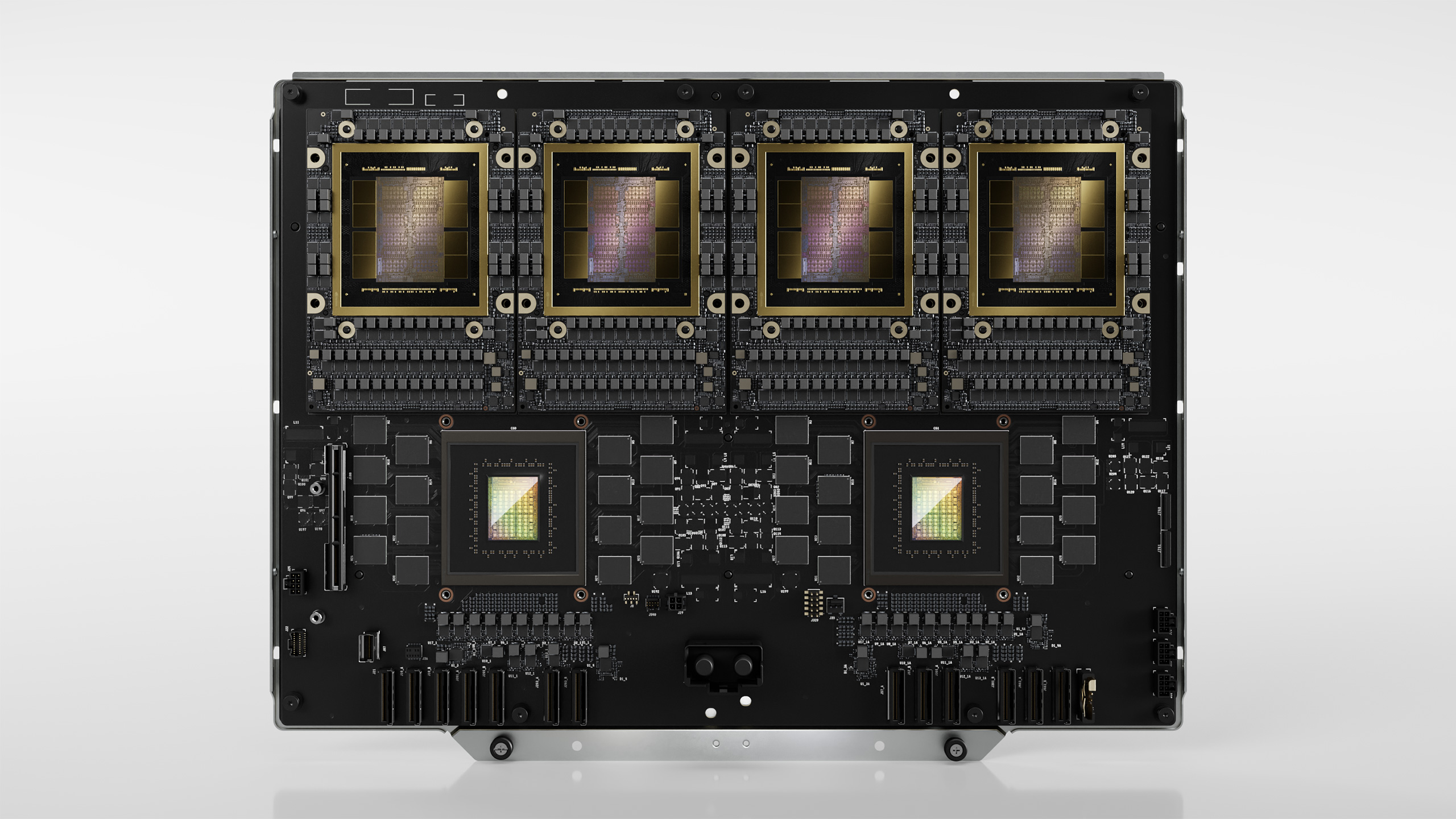
NVIDIA remains the safest choice for teams deeply embedded in the CUDA and TensorRT stack. The DGX Spark, featuring the Grace Blackwell GB10 chip and 128GB of unified memory, allows existing PyTorch pipelines to run without modification. While it lags behind Apple in raw token generation due to a 273 GB/s memory bandwidth limit, it eliminates the friction of rewriting code, making it the standard for prototyping before cloud deployment.
AMD’s Ryzen AI Max+ 395 presents a strategic choice between premium support and cost-efficiency. Users can purchase official developer kits or opt for third-party mini PCs like the GMKtec EVO-X2, which utilize the same hardware at a lower price point. While ROCm is more mature on Linux than Windows, the platform excels at running large models like OpenAI’s gpt-oss 120B. However, independent testing indicates token generation speeds remain two to three times slower than Apple’s offerings.
Apple’s Mac Studio currently leads in inference performance, driven by memory bandwidth that reaches 1.2 TB/s on the M5 Ultra chip. With support for up to 512GB of unified memory, these machines handle massive models that require less quantization than those running on NVIDIA or AMD hardware. While developers must navigate the Metal backend via tools like llama.cpp rather than relying on CUDA, the performance gains for local inference remain significant. Ultimately, the decision rests on whether your workflow demands the industry-standard software stack or the raw efficiency of high-bandwidth silicon.

Comments (0)
No comments yet. Be the first!