
The campaign was designed to mirror the Russian-backed insurgencies of Ukraine’s Donbas, complete with borrowed symbols and inflammatory rhetoric. Despite the lack of any real-world support among Narva’s 52,000 residents, the story gained enough momentum to prompt official concerns from the Belgian defense establishment and intense scrutiny from major international outlets. Experts describe this phenomenon as 'scenario porn'—a dangerous feedback loop where sensationalist media coverage, geopolitical anxiety, and strategic disinformation collide to create a false reality.
In section EU
The Narva Hoax: How a Digital Ghost Story Fooled Europe
In February, a fringe Telegram group created in St. Petersburg conjured a phantom separatist movement in the Estonian border city of Narva. While the 'Narva People’s Republic' existed only as a handful of online trolls and a few cat memes, the narrative vaulted from the dark web into the pages of mainstream European media.
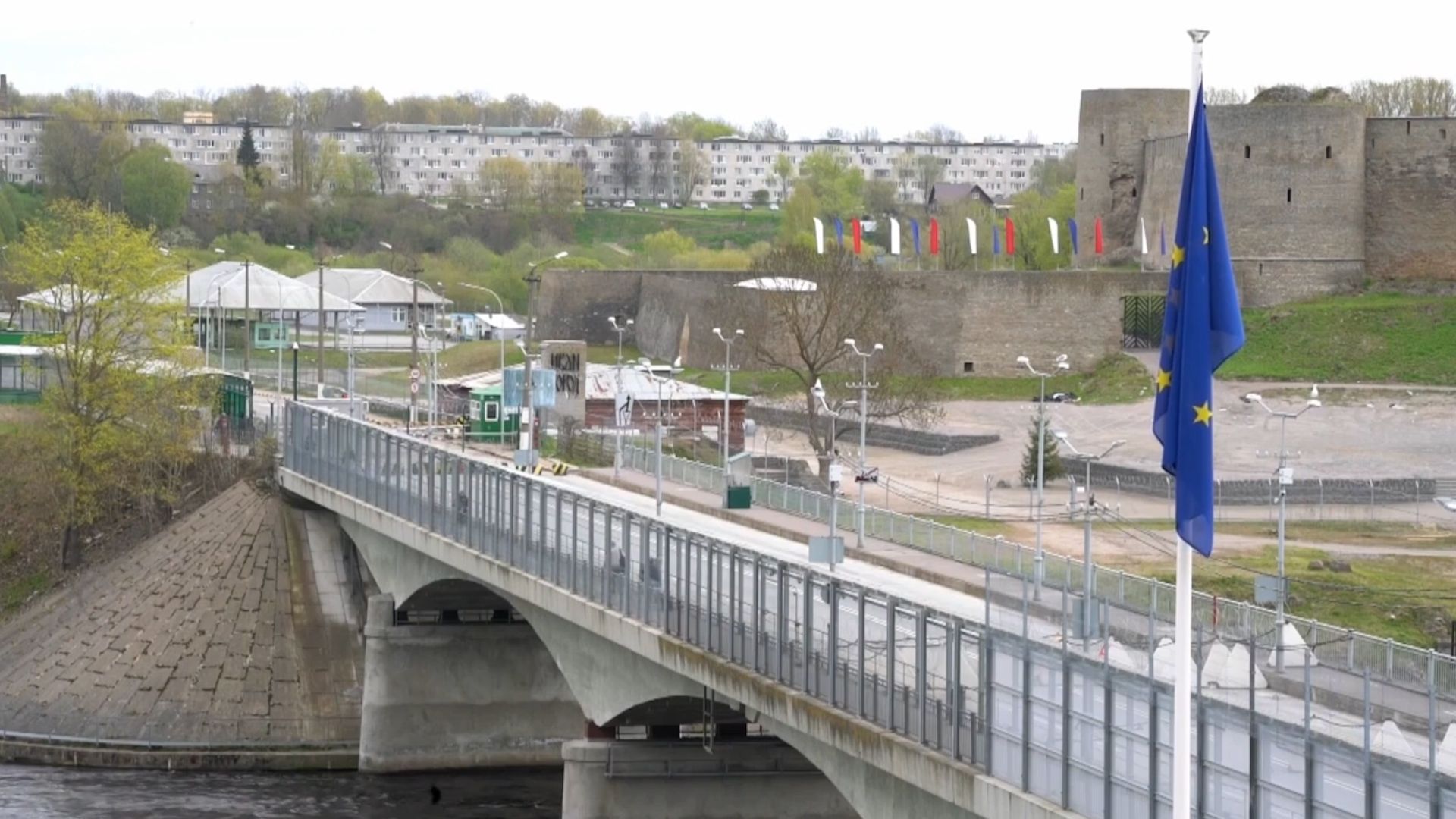
For Narva’s leadership, the hoax is a distraction from the city's actual, complex challenges. The region, which sits on the front line of the EU’s eastern border, faces significant economic strain, with unemployment in Ida-Viru County reaching 10.5% in 2023. While legitimate grievances exist regarding language policies and the loss of trade with Russia, they bear no resemblance to the secessionist fervor depicted in foreign headlines. By treating the city’s residents as geopolitical pawns rather than citizens, international observers risk alienating the very population they claim to be monitoring, ultimately serving the Kremlin’s goal of undermining regional stability through manufactured distrust.
Comments (0)
No comments yet. Be the first!