
The current defense against the flesh-eating parasite relies on the sterile insect technique, an expensive, indefinite holding action that researchers admit is insufficient for total eradication. Colossal Biosciences, known for its de-extinction projects, intends to pivot its gene-editing tools toward population collapse. By utilizing a gene drive, the company aims to introduce a trait that ensures virtually all offspring are infertile, effectively acting as a biological off switch that spreads rapidly through the wild population.
In section CEO World
Colossal Biosciences Targets Screwworm Eradication via Gene Drive
A three-week-old calf in Zavala County, Texas, recently tested positive for the New World screwworm, marking the first U.S. mainland detection in decades. While the country has spent sixty years releasing billions of sterile flies to contain the parasite, Dallas-based Colossal Biosciences now proposes a permanent genetic solution.
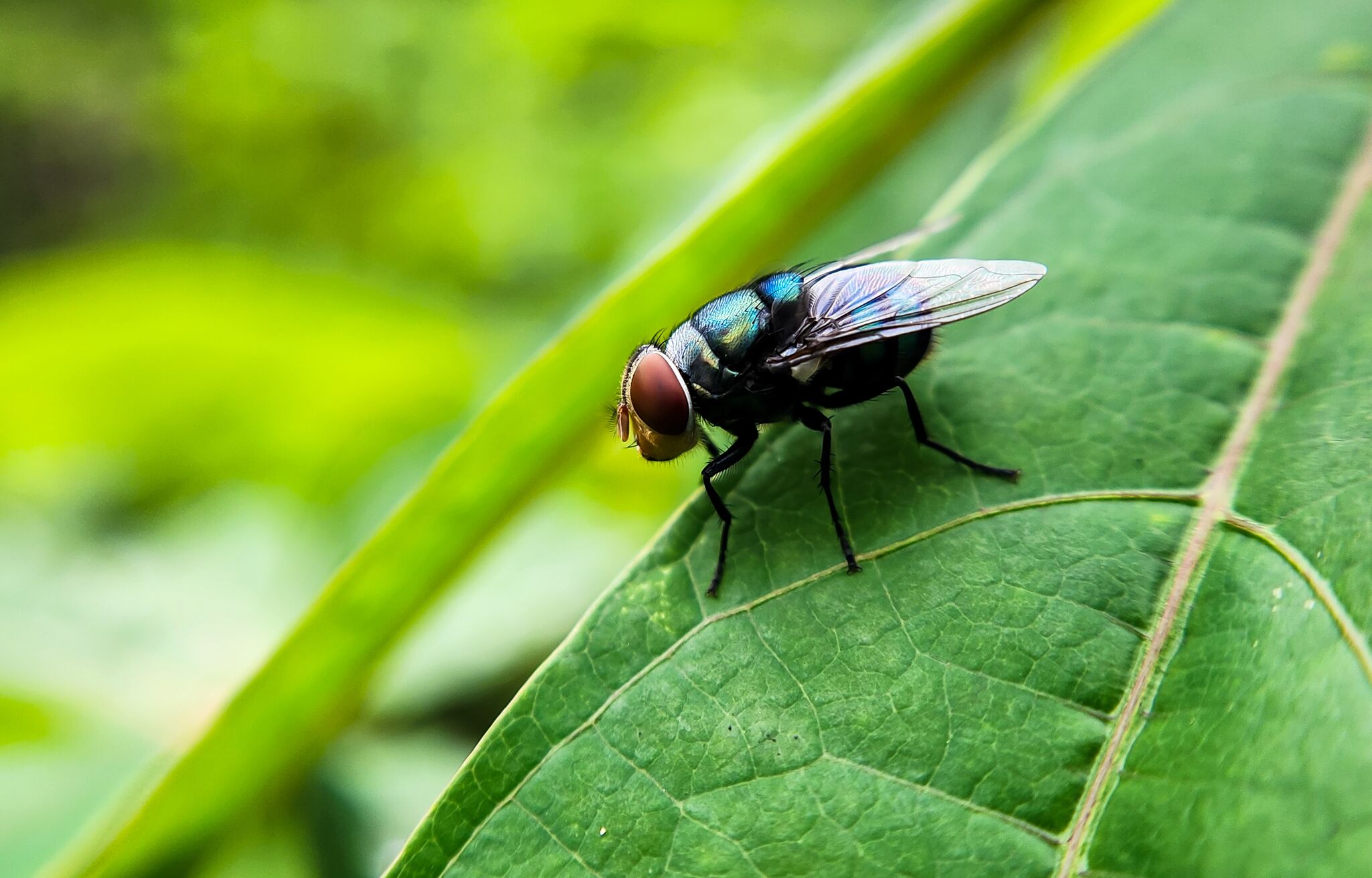
CEO Ben Lamm argues that the existing strategy is unsustainable and fails to account for the speed at which the parasite is currently advancing. He suggests that genetic biocontrol could clear infestations in months rather than the decades required by traditional methods. However, the proposal faces significant hurdles, including regulatory approval for open-release gene drives and unresolved questions regarding the ecological impact of removing a species from the environment. The choice now rests between maintaining a costly, permanent barrier and deploying a one-time intervention designed to finish the fight for good.
Comments (0)
No comments yet. Be the first!