
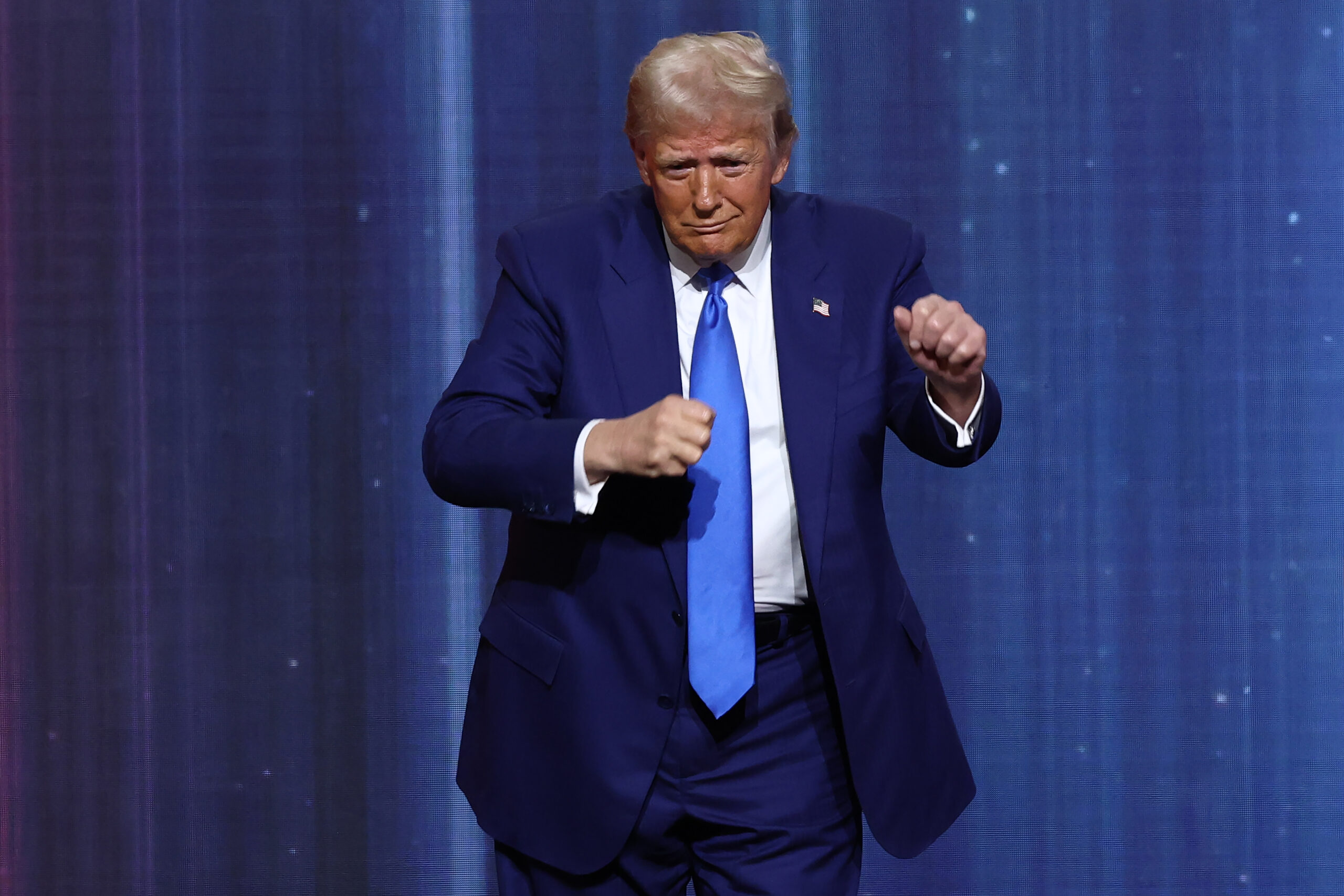
The deal mandates a 60-day ceasefire and the reopening of the Strait of Hormuz, while simultaneously ending the US-led naval blockade of Iran. Iranian Deputy Foreign Minister Kazem Gharibabadi stated that his government, while maintaining a stance of active distrust, will monitor American compliance closely. He emphasized that Iran remains prepared to defend itself against future threats despite the diplomatic breakthrough.
Significant hurdles persist, as the agreement does not yet address Iran’s nuclear program, the release of frozen assets, or Israel’s ongoing military operations in Lebanon, Syria, and the Gaza Strip. Israeli officials, including National Security Minister Itamar Ben-Gvir, have publicly rejected the terms, asserting that Israel is not bound by the US agreement. Jamal Abdi, president of the National Iranian American Council, warned that Prime Minister Benjamin Netanyahu continues to actively sabotage the peace process to prevent a permanent resolution.
Comments (0)
No comments yet. Be the first!